Home› Health Guides› Pediatrics
Halloween: The Candy Is Not the Problem
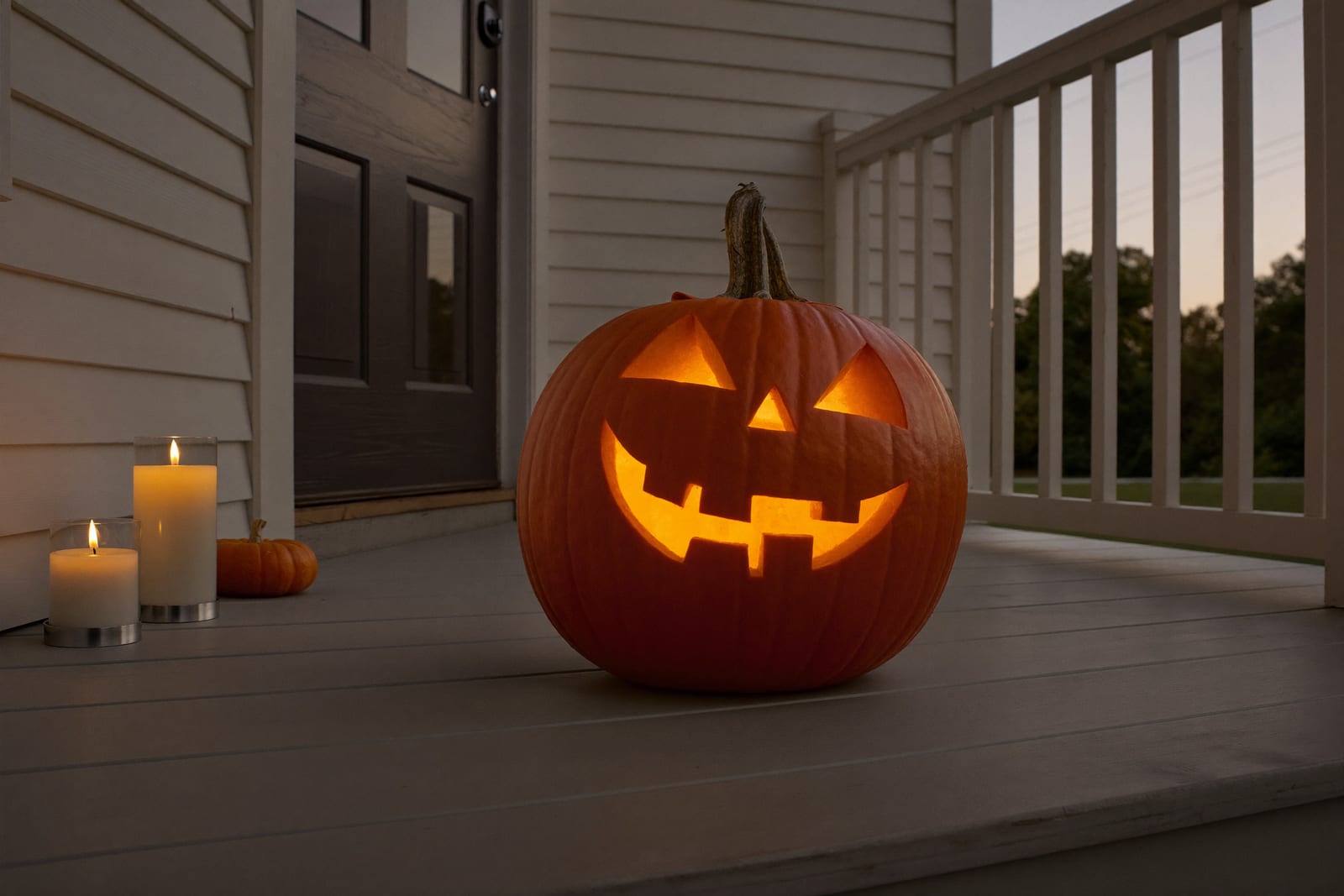
Children are struck and killed by cars on Halloween evening at several times the rate of an ordinary night. It is the most dangerous evening of the year for child pedestrians in the United States.
Almost every Halloween article is about sugar. The sugar is a rounding error and the traffic is the actual risk, so this page is ordered accordingly — and in a city built around wide, fast roads with long blocks and limited sidewalks, the traffic point is worth more here than in most places.
The traffic, which is the whole of it
Why this particular evening: it is dark, it is the one night children cross mid-block instead of at corners, they are excited and not watching, costumes restrict what they can see and hear, dark fabric is nearly invisible, and drivers are not expecting a child to step out between parked cars.
What actually works:
- Go with them. Under about 12, with an adult. Older children in a group, with an agreed route and an agreed time
- Be visible. Reflective tape on the costume and the bag — it costs almost nothing and it is the highest-yield thing on this list. Glow sticks and a torch each, and let them carry it
- Cross at corners, and cross the street once. Do one side, then the other. Mid-block crossing and darting between parked cars is how this happens
- Stay on sidewalks where they exist, and where they do not, walk facing traffic on the far edge
- Driveways are the underrated hazard. A reversing car in a dark driveway does not see a small child
- Talk to the older ones about phones. A group of eleven-year-olds looking at a screen while crossing is the realistic scenario
- And if you are driving that evening: go slowly through neighbourhoods, and be aware that between about 5.30 and 9.30pm a child may come out anywhere.
Costumes
- Short enough not to trip on. Falls are the commonest Halloween injury by count
- Masks limit vision badly. Face paint is better than a mask — and test it on a small patch of skin a day or two beforehand
- Check for flame resistance, and keep costumes away from candles and lit pumpkins. Use battery lights in a jack-o’-lantern
- Props: soft and flexible only. No rigid swords or sticks
- Shoes they can actually walk in. Their own shoes with the costume beats the ones that came in the bag
- Decorative contact lenses are not a costume accessory. Non-prescription coloured or novelty lenses sold without a fitting cause corneal abrasions and infections that threaten sight. They are not safe and should not be worn — our pink eye page explains why a red eye in a lens wearer is a same-day call
- In Phoenix, a full costume is a heat problem in October. It is often still in the nineties on Halloween evening. Full-body suits, masks and fur over a warm evening of walking add up — send water, plan breaks, and consider whether the costume can be lighter
The candy
Here, at number three, where it belongs.
One evening of sweets does not matter. A child who eats a lot of candy on Halloween and then returns to normal eating has come to no harm, and making it a battle teaches something that lasts much longer than the sugar.
What is worth doing:
- Feed them before they go. A child who sets out hungry eats considerably more on the way round
- Decide the plan together in advance rather than negotiating on the doorstep at 9pm. Some families pick a number a night, some let them have a free evening and then ration, some trade the excess. Any of those work; an unspoken plan does not
- It is the frequency, not the amount, that damages teeth. A handful of sweets eaten in ten minutes is easier on teeth than the same amount grazed across an afternoon. Brush before bed, and our brushing page explains why not rinsing afterwards matters
- Do not use it as a reward or a punishment, which is how it becomes more powerful than it should be
The safety bit on candy is short and real:
- Check it in good light, and discard anything unwrapped, opened, or homemade from someone you do not know
- Hard sweets, whole nuts, gum and gummies are choking hazards for under-fours. This matters more than everything else in this section
- Cannabis edibles are packaged to look like candy, and they cause serious poisonings in small children every year. Any wrapper you do not recognise goes in the bin. If a child becomes unusually drowsy, unsteady or unresponsive, call Poison Control on 1-800-222-1222 or 911
Allergies
For a family managing a food allergy, this evening is genuinely stressful.
- Read every label, and do not rely on the shape of the wrapper. Fun-size versions sometimes have different ingredients from the full-size bar, and may not carry a full label at all
- Sort it before any of it is eaten, not during
- Carry two adrenaline auto-injectors, in date. Every time, and check the dates in early October rather than on the night
- Make sure whoever is supervising knows how to use one
- The Teal Pumpkin Project — a teal pumpkin on a doorstep means non-food treats are available. Worth knowing as a family with an allergy, and worth doing as a household handing out treats. Stickers, small toys and glow sticks cost the same as candy
If you are handing out treats
- Light the path, and clear it of anything to trip over
- Battery lights rather than candles in anything on a porch or a step
- Keep the dog inside. A stream of costumed strangers at the door is a lot for a dog, and Halloween produces real dog bites
- Consider non-food treats for some of it
Call us if
- A fall with a head injury, particularly with vomiting, drowsiness, confusion, or a headache that worsens
- Choking, or any concern about something swallowed
- A suspected allergic reaction. Use the auto-injector and call 911 — do not wait to see whether it settles
- A suspected edible or medication ingestion — Poison Control 1-800-222-1222, or 911
- An eye injury, or a red painful eye after wearing decorative lenses
- A skin reaction to face paint that is spreading or blistering
- Any child struck by a vehicle — emergency care, even if they seem fine
Sources
- Child Safety — MedlinePlus topic page, U.S. National Library of Medicine. https://medlineplus.gov/childsafety.html
This page is barely cited. Source 53 is a seven-bullet general summary and reaches only one item on it.
A note on this article: This information is general health education and is not a substitute for a visit with a provider. If you have a concern about your health or your family’s health, call us and we will help.