Home› Health Guides› Pediatrics
Car Seats: The Four Rules That Matter, and the Arizona Problem Nobody Mentions
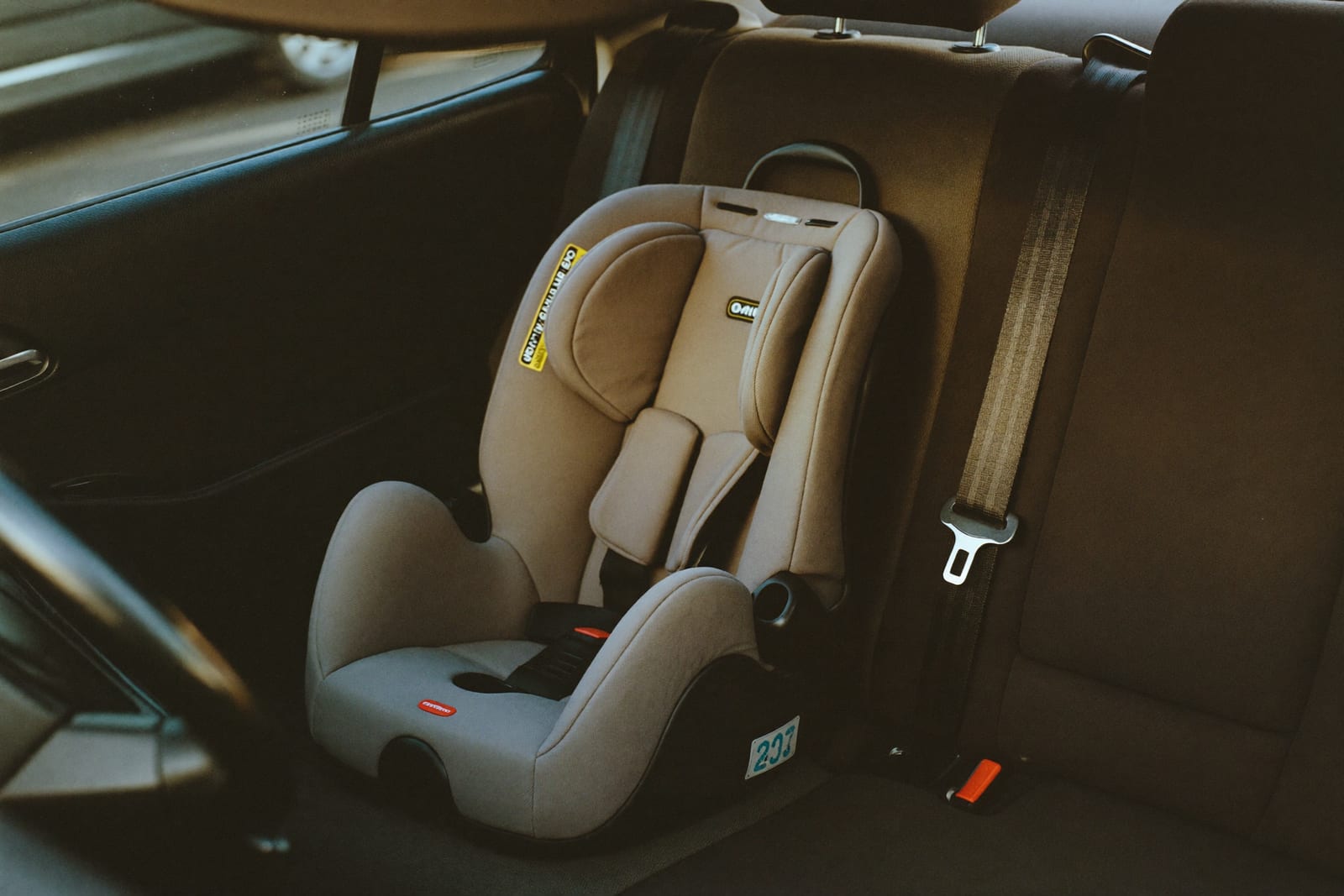
Car seats generate more anxious searching than almost anything else in early parenthood, and most of it is wasted on the wrong questions. Brand matters very little. Installation and fit matter enormously.
A correctly installed cheap seat protects a child better than an expensive seat installed wrongly, and a large share of seats on the road are installed wrongly. So this page is about the four things that actually change the outcome, and then about the one hazard that is specific to living here.
The four rules
1. Keep them rear-facing as long as the seat allows. This is the rule with the largest effect and the one families are most eager to abandon. In a frontal crash — the common serious kind — a rear-facing seat spreads the force across the whole back and supports the head and neck together. A young child’s head is proportionally heavy and their neck is not yet strong, which is exactly the combination a forward-facing harness handles worst.
The instinct to turn them round at a birthday is understandable and it is not what the seat is telling you. Go by the height and weight limits printed on your seat, not by age, and use the rear-facing limit rather than the first limit you reach. Bent legs are comfortable for children and are not a reason to turn the seat.
2. Get the harness right, which is three separate things.
- Snug. You should not be able to pinch a horizontal fold of webbing at the shoulder. This is the “pinch test” and it is the single most common error
- Straps at the correct height — at or just below the shoulders rear-facing, at or just above them forward-facing
- Chest clip at armpit level, not on the belly and not at the throat. It is a positioner, not a restraint
3. No bulky coats, and nothing added that did not come with the seat. A coat compresses in a crash and leaves slack the harness cannot take up. Harness them in normal clothes and put the coat on backwards over the top, or use a blanket. The same applies to aftermarket inserts, strap covers, head supports and seat protectors — if it did not come with the seat or is not explicitly approved for it, it has not been crash-tested with it.
4. Back seat, and never in front of an active airbag. A passenger airbag deploys with enough force to be lethal to a child, and a rear-facing seat in the front is the worst case of all.
The seats, in order
Rear-facing from birth, for as long as the seat’s limits allow.
Forward-facing with a five-point harness once they have genuinely outgrown rear-facing — again to the seat’s limits, not to an age.
A booster once they have outgrown the harness. A booster’s whole job is to raise the child so the adult seat belt lands on bone: the lap belt low across the hips and upper thighs, and the shoulder belt across the middle of the collarbone and chest.
The adult belt alone only when it fits properly without the booster. Most children need a booster considerably longer than families expect — often into the 10 to 12 range, and it is about height rather than birthdays. The test is whether the child can sit all the way back with knees bending comfortably at the seat edge, the lap belt staying low on the hips, and the shoulder belt crossing the collarbone rather than the neck. If the belt sits on the abdomen or the neck, the booster goes back in.
Back seat until 13.
The mistakes we actually see
- A loose installation. Once installed, the seat should not move more than about an inch side to side or front to back at the belt path
- Using the lower anchors and the seat belt together. Pick one, unless your seat’s manual specifically permits both — most do not
- Forgetting the top tether on a forward-facing seat. It substantially reduces how far the head moves forward, and it is the most-skipped step
- Rear-facing recline angle wrong. Too upright and a newborn’s head falls forward and obstructs their airway. The seat has an indicator; use it
- A seat past its expiry date, which is printed on it, or one with an unknown history
- Reusing a seat that was in a crash. Damage is not always visible
- The third-party accessory bought to solve a problem the manufacturer did not have
And the one that is not really a mistake but matters more than all of them: a baby should not be left sleeping in a car seat outside the car. Semi-upright seating can let a young baby’s head fall forward and restrict their breathing. In the car it is the safest place there is. Out of the car, move them to a flat surface — our newborn page covers safe sleep properly.
Get it checked by someone who does this
Reading the manual carefully gets you most of the way. Having the installation checked by a certified Child Passenger Safety Technician gets you the rest, and it is usually free.
Fire stations, hospitals and health departments across the Valley run checks, and it takes about twenty minutes. If you do one thing from this page, do this one — and do it before the baby arrives, not in the parking lot on the day.
The Arizona problem nobody mentions
Two hazards here are genuinely local, and the second one is a matter of life and death.
Hot buckles and hot seats. A car interior in a Phoenix summer reaches temperatures that make metal harness hardware and dark plastic capable of causing a contact burn on a child’s skin in seconds. This is not a theoretical risk; it is an ordinary summer injury here and it happens to careful parents.
What works: cover the seat with a light-coloured towel or blanket when you park — removing it before the child gets in, never leaving it under or behind them. Use a windshield shade. Park in shade where there is any. Check the buckle and the harness hardware with your own hand before every single summer trip. Cool metal parts with a splash of water or a burst of air conditioning first. Dress children in clothing that covers the back of the legs if the seat is dark.
And the one that kills children in this state every year: never leave a child in a parked car, for any length of time, for any reason.
A car’s interior climbs fastest in the first ten minutes, and it does it with the windows cracked. A child’s body heats several times faster than an adult’s, so an interval an adult would find merely unpleasant can be fatal to a toddler. Arizona is one of the worst states in the country for this, and the great majority of these deaths are not neglect — they are a routine broken, a change of driver, a child who fell asleep and was silent, a parent who believed the child had been dropped off.
So the defence is a system rather than an intention, because the failure is memory, not care:
- Put something you cannot leave without in the back seat — a phone, a bag, a work badge. Every time, including the trips where it feels unnecessary
- Open the back door every time you park. Every time, even when you know it is empty. The habit is the point
- Agree with your child care provider that they will call you if your child does not arrive
- Lock the car when it is parked at home and keep the keys out of reach. A meaningful share of these deaths are children who climbed in to play and could not get out
- If you see a child alone in a car, call 911. Do not wait to find the driver
Our heat safety page covers the rest of what the Phoenix summer does to a small body, and it is the page on this site most worth reading before June.
Sources
- Car Seat Safety Tips — Safe Kids Worldwide. https://www.safekids.org/car-seat
- Infants and Children and Heat — Centers for Disease Control and Prevention. https://www.cdc.gov/heat-health/risk-factors/infants-and-children.html
A note on this article: This information is general health education and is not a substitute for a visit with a provider. If you have a concern about your health or your family’s health, call us and we will help.